|

POMA wants The Journal of the Pennsylvania Osteopathic Medical Association to be a safe space for all DOs to have a voice and be heard. Opportunities to contribute in all content areas are open to all osteopathic medical students, residents and physicians. Share your thoughts, ideas and submissions via email to [email protected].
*Views expressed in The Journal of the Pennsylvania Osteopathic Medical Association are solely those of the authors and do not necessarily reflect the opinions of the editorial board, The JPOMA, or POMA unless specified.
|
June 2026 | Vol. 70, No.2
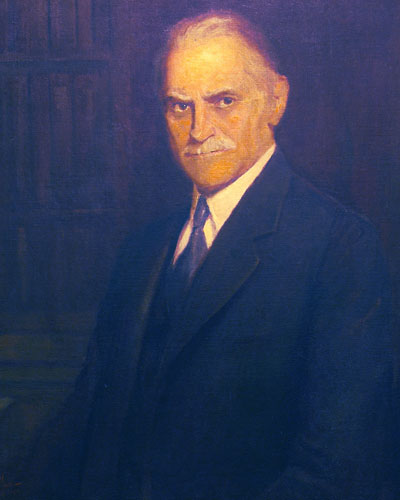
In honor of POMA celebrating its 103rd anniversary this month, the Guess Who is not only the founder of the Pennsylvania Osteopathic Association, as POMA was originally called, but he was also a co-founder of the Philadelphia College and Infirmary of Osteopathy and the first chair of the State Board of Osteopathic Medicine. He is truly a leader in osteopathic medicine in the state of Pennsylvania.
Click here if you can identify this founding leader of osteopathic medicine in Pennsylvania!.
The answer will be revealed in JPOMA's October 2026 issue.
|
|
February 2026 | Vol. 70, No.1
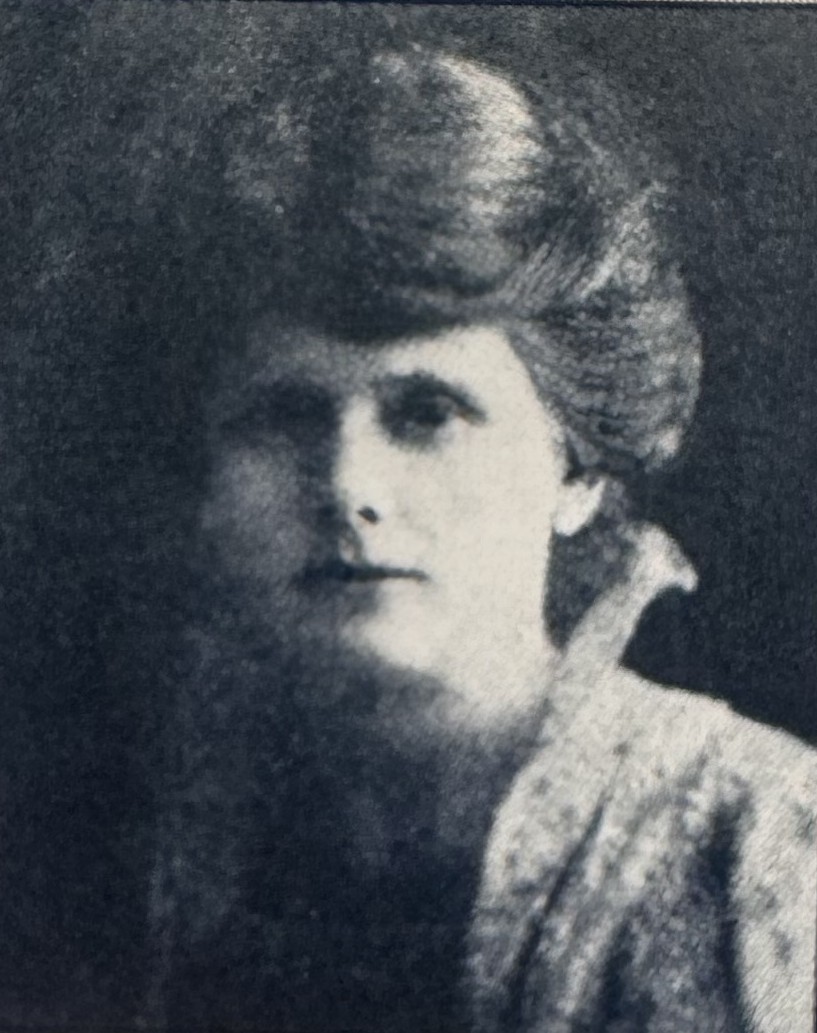
Given that National Women Physicians Day was February 3, it is fitting that this month’s Guess Who is the first woman president of the Pennsylvania Osteopathic Medical Association. She served as president from 1919–1920, but it was another 80 years before the second woman president was installed..
Answer: Nettie C. Turner, DO
The answer will be revealed in JPOMA's June 2026 issue.
|
October 2025 | Vol. 69, No.3
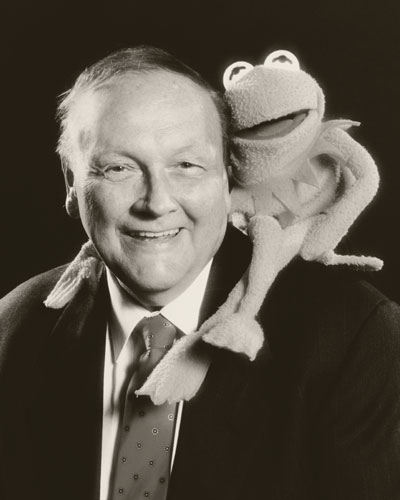
If you are a PCOM alum, no words are needed to identify this 1956 graduate of PCOM. Which is fitting, as decades of alumni relate that there are no words to adequately describe the impact this radiologist had on his students. He first began lecturing medical students in 1962, quickly rising to Chairman of Radiology, Nuclear Medicine and Radiation Therapy, from 1973 to 1991. He used puppets as part of his teaching, and he would have students whistling, singing, playing the guitar, and performing skits as part of their education. A past president of POMA, he remained active in teaching until his death in 2005.
Answer: Robert Meals, DO
|
|
|
|
|
<< first < Prev 1 2 Next > last >>
|
|
Page 1 of 2 |